|
|
The summer holidays have only just begun, making it the perfect time to get involved in citizen science! Help AI better understand Flemish Dutch through Maarallee, or join Natuurpunt's Insect Summer and help map insect diversity across Flanders.
Planning ahead for autumn? This edition also highlights a range of inspiring opportunities, including the Citizen Science Networking Day, Roots and Recipes, and our new citizen science project, Buren Meten Hoogspanningslijnen (Neighbours Measuring Power Lines). |
|
|
|
|
|
|
|
|
Citizen Science Networking Day 2026: places are filling up fast |
|
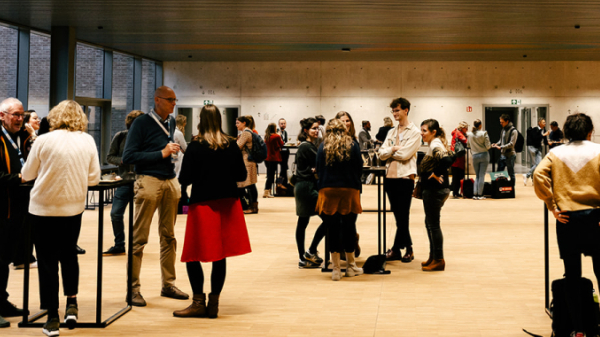
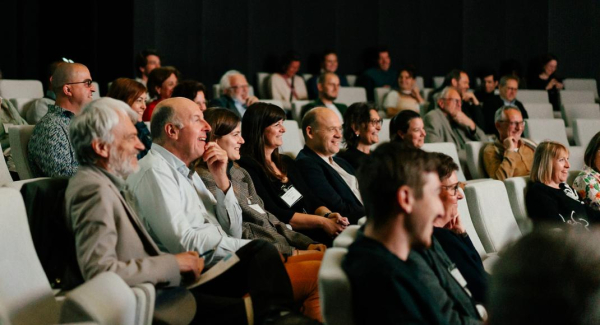
Interest in this year's Citizen Science Networking Day continues to grow, with almost 100 people already registered. On Monday 28 September, we'll welcome participants to Aeropolis in Schaerbeek for a day of inspiring talks, hands-on workshops and opportunities to connect with the wider citizen science community.
The call for the Citizen Science Fair is also gathering momentum, with half of the exhibition spaces already taken. Would you like to showcase your project and connect with fellow citizen science practitioners? Now is the perfect time to submit your application. |
|
|
|
|
|
|
|
|
|
|
|
Amai! launches a new Impactbooster! for AI projects |
|
Following its previous initiatives, amai! is taking the next step with the launch of the new Impactbooster! The funding call offers ongoing AI research and innovation projects an additional funding boost to actively engage citizens. Projects are encouraged to strengthen their societal impact through citizen participation and interactive outreach activities.
Applications are accepted on a rolling basis and will be assessed in the order they are received. Want to find out whether the Impactbooster! is relevant for your project? Visit our website for full details or join the online information session on 9 July at 12 noon. |
|
|
|
|
|
|
|
|
|
|
|
Help AI better understand Flemish Dutch with Maarallee |
|
Through the Maarallee project, we're building a large-scale dataset of spoken Flemish Dutch and we need your help! Participants can now also review and correct AI-generated transcripts via Zooniverse (aimed at Dutch speakers only). While the speech recognition model already performs well, automated transcripts still contain mistakes that can only be corrected by human volunteers.
By listening to audio clips and improving the transcripts, you'll help make speech recognition technology more accurate for Flemish Dutch. Every contribution counts. We're particularly keen to hear from Dutch-speaking participants across all Flemish provinces, because every accent matters. |
|
|
|
|
|
|
|
|
|
|
|
Call for projects: showcase your research at Roots and Recipes |
|
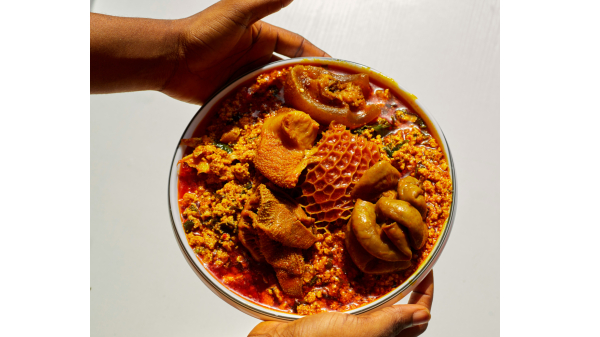
On 25 and 26 September, Scivil and its partners will host Roots and Recipes: The Science of Food, Identity and Belonging at the AfricaMuseum. As part of European Researchers' Night, this public event brings together science, food and culture in an interactive, family-friendly programme.
For the (Citizen) Science Fair, we're looking for projects related to food, with a particular interest in African cuisines, diaspora communities and participatory research. Are you working on food-related research and keen to share it with a wider audience? Submit your project by 10 July 2026. |
|
|
|
|
|
|
|
|
|
|
|
New project: 'Buren Meten Hoogspanningslijnen' |
|
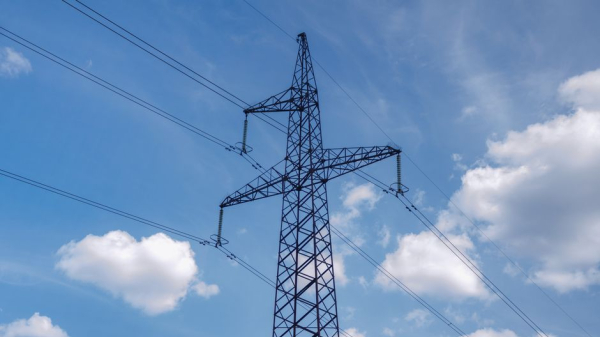
Scivil is launching a new citizen science project: Buren Meten Hoogspanningslijnen ('Neighbours Measuring Power Lines'). Together with the imec-UGent research group WAVES and on behalf of the Department of Environment, we're investigating magnetic fields around high-voltage power lines and are looking for volunteers to take part.
If you live within 100 metres of a high-voltage power line, you can host a sensor in your home for one week and help generate valuable data. The first monitoring campaigns will begin this autumn in Wilsele, Kessel-Lo and Wondelgem, each accompanied by an information session for participants. If you live elsewhere, you can already sign up for the waiting list. |
|
|
|
|
|
|
|
|
|
Belgian Citizen Science News |
|
|
|
|
|
|
|
|
New book (in Dutch): Wetenschapscommunicatie |
|
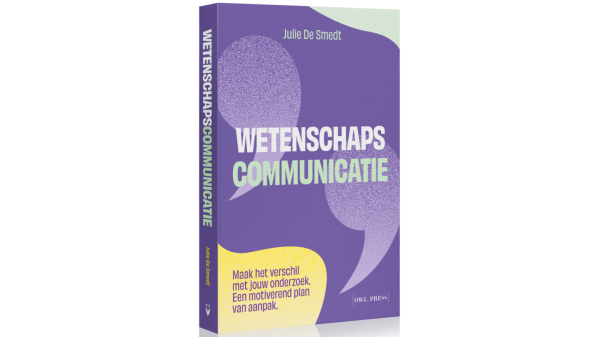
How can you make sure your research or citizen science project reaches the people you want to engage? In her newest book Wetenschapscommunicatie ('Science Communication'), Julie De Smedt offers researchers a practical guide to making informed choices about audiences, messaging and communication channels.
Drawing on 16 years of experience in science communication, as well as insights from researchers, citizen scientists and communication professionals, De Smedt provides a hands-on guide for anyone looking to communicate their research more effectively. The book will be launched at GUM & Botanical Garden Ghent on 1 October 2026. Attendance is free, but registration is required. |
|
|
|
|
|
|
|
|
|
|
|
Citizen science helps track butterfly and dragonfly trends |
|
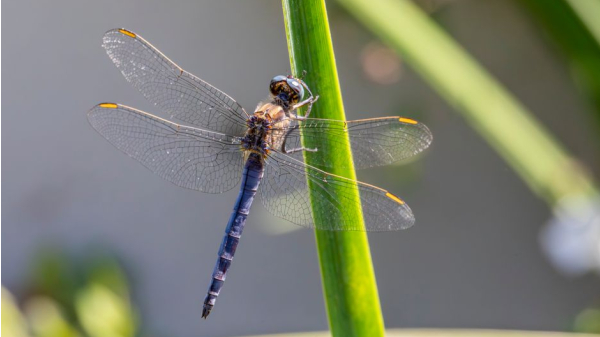
Volunteers in the Flemish species monitoring networks have been collecting data on priority species for many years. Two new reports (in Dutch) published by INBO reveal how butterfly and dragonfly populations in Flanders have changed between 2016 and 2025.
The findings show that many species are declining, although some species are showing positive trends. The reports highlight the value of long-term citizen science monitoring for understanding and tracking biodiversity trends. |
|
|
|
|
|
|
|
|
|
|
|
Insect Summer: spot and record insects |
|
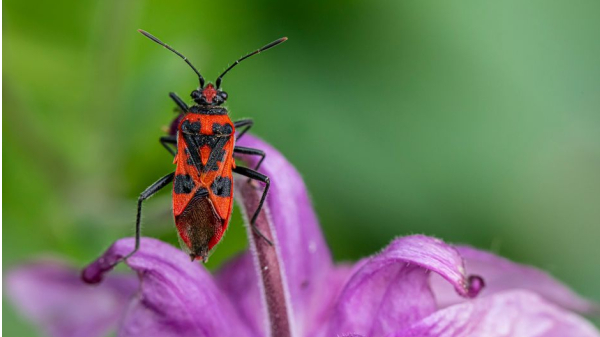
Natuurpunt's Insect Summer is back. From 1 July to 31 August, anyone can photograph and record insects using the free ObsIdentify app, helping scientists map insect species across Flanders. Last year, more than 52,000 participants recorded over 2 million insects. Will this year's edition set a new record? |
|
|
|
|
|
|
|
|
|
|
|
Citizen science in cultural heritage |
|
Citizen science is gaining momentum within the heritage sector. In a recent article (in Dutch), FARO explores its value for both research and public participation, while emphasising the importance of a thoughtful and well-planned approach. The article also highlights the joint FARO–Scivil dossier on the Erfgoedwijzer platform, which offers practical guidance and inspiring examples.
The topic will also feature at the Citizen Science Networking Day 2026. During the session 'Heritage as a Driver for Societal Change' (in Dutch), FARO and Histories will discuss how heritage can contribute to citizen science initiatives. In addition, FARO and Scivil will once again host the workshop 'From Idea to Project Plan: Getting Started with Citizen Science in Heritage' on 10 December 2026. Registration is already open. |
|
|
|
|
|
|
|
|
|
International Citizen Science News |
|
|
|
|
|
|
|
|
Save the date: Citizen Science Impact Evaluation |
|
On 19 November, the Citizen Science Impact Evaluation event will bring together researchers and practitioners from Belgium and the Netherlands to exchange ideas and experiences on evaluating impact in citizen science. More information and a registration link will be announced soon. Keep an eye on the Scivil website for updates. |
|
|
|
|
|
|
|
|
|
"Our starting point is always: we identify a problem and we take action. That is also the strength of citizen science."
- Sandra Rosvelds, Beweging.net |
|
Each month, Scivil interviews someone about their experiences with citizen science. This month, we sat down with Sandra Rosvelds, Director of Research and Development at Beweging.net, to discuss the organisation's ambitious social agenda and why it chose to partner with Scivil for the upcoming Citizen Science Networking Day. |
|
|
|
|
|
|
|
|
|
-
TOOLKIT: ScienceLinX has launched a new Public Engagement Toolkit, offering researchers and organisations practical tips, helpful tools and inspiration for engaging with wider audiences.
|
|
|
|
|
|
|
- JOURNAL: The special issue Citizen science for climate adaptation is seeking research articles that use citizen-generated data to better understand climate impacts and support adaptation strategies. Deadline: 12 August 2026.
- ABSTRACTS: The Citizen Science for Health 2027 conference invites abstracts on the societal impact of citizen science in health, with a focus on collaboration between citizens, patients, researchers and policymakers. Deadline: 1 September 2026.
- JOURNAL: BMC Zoology is seeking submissions for its special collection Citizen Science for Zoological Research, focusing on the role of public participation in monitoring, conservation and biodiversity research. Deadline: 11 November 2026.
- FUNDING: Horizon Europe is looking for cities and partners for the Science Comes to Town 2029, a year-long programme of activities fostering dialogue between science and society. Deadline: 11 March 2027.
- FUNDING: Horizon Europe has launched a call for projects developing innovative forms of citizen science and science communication, with a focus on youth participation or scaling up public engagement to ERA level. Deadline: 11 March 2027.
- FUNDING: Horizon Europe has launched a call for living labs on invasive alien species, bringing together researchers, governments, citizens and other stakeholders to co-create solutions for detection, monitoring, control and policymaking. Deadline: 22 September 2027.
-
FUNDING: Horizon Europe has a call focused on small-scale aquatic food production projects that develop new methods and digital tools to measure their ecological and socio-economic impact. Deadline: 23 September 2027.
|
|
|
|
|
|
|
|
|
Living Knowledge Conference 2026 |
|
The 11th edition of the Living Knowledge Conference will take place in Gdańsk, Poland, from 7 to 10 July 2026. The theme is research and solidarity. |
|
|
|
|
|
|
|
|
|
|
|
Roots and Recipes: The Science of Food, Identity and Belonging |
|
As part of European Researchers' Night, Roots and Recipes: The Science of Food, Identity and Belonging brings together Scivil, AfricaMuseum, Meise Botanic Garden, KU Leuven, The Food Bridge and members of the African diaspora community for a flavourful celebration of science, food and culture. |
|
|
|
|
|
|
|
|
|
|
|
Citizen Science Networking Day 2026 |
|
On 28 September 2026, Scivil's next Citizen Science Networking Day will take place. The event will be held at Aeropolis in Brussels, near Schaerbeek station. This year, Scivil is organising the Networking Day in collaboration with Beweging.net, VITO and VUB. |
|
|
|
|
|
|
|
|
|
|
|
PCST Berlin Symposium 2026 |
|
The PCST Berlin Symposium 2026, “Building Knowledge Together: Citizen Science, Communication, and Trust”, will take place on 5 and 6 October 2026. |
|
|
|
|
|
|
|
|
|
|
|
CARN Conference 2026 |
|
CARN Conference 2026: Towards a just and humane society is an international conference that will take place on 5-7 November 2026 in Utrecht, the Netherlands. |
|
|
|
|
|
|
|
|
|
|
|
Citizen Science Impact Evaluation |
|
The Citizen Science Impact Evaluation event in Utrecht on 19 November 2026 will bring together researchers, citizen science practitioners and support professionals to explore how impact can be evaluated and strengthened within citizen science. |
|
|
|
|
|
|
|
|
|
|
|
Citizen Science 4 Health Conference 2027 |
|
The Citizen Science 4 Health Conference 2027 will take place from 19 to 21 April 2027 in Odense, Denmark. |
|
|
|
|
|
|
|
|
|
Would you like to showcase your own citizen science project or event?
Let us know via info@scivil.be! |
|
|
|
|
|