|
|
The past few weeks have been all about connecting and exchanging ideas. We look back on a successful Citizen Science Network Day and Roots & Recipes, two events that brought together citizens, researchers and other stakeholders around citizen science and participation.
At the same time, we are looking ahead. With the launch of the Citizen Science Network Flanders, we are taking the next step towards strengthening the citizen science community in Flanders. In this newsletter, you can find out how to join the network, enter a prize draw for a book by sharing your feedback on Scivil, and discover a range of interesting publications, calls and funding opportunities. |
|
|
|
|
|
|
|
|
This was the Citizen Science Networking Day 2026 |
|
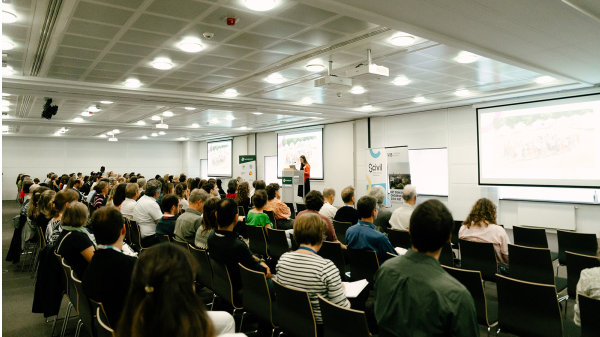
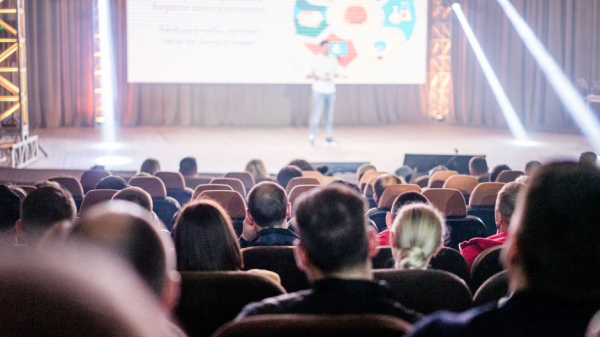
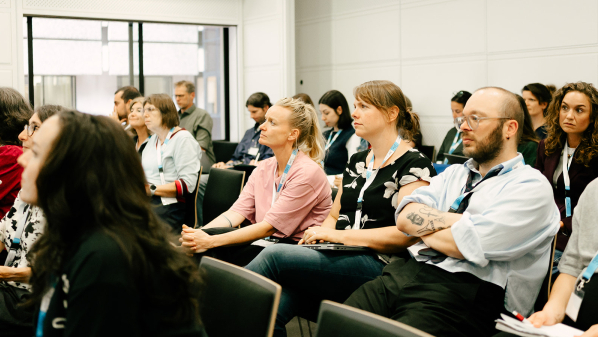
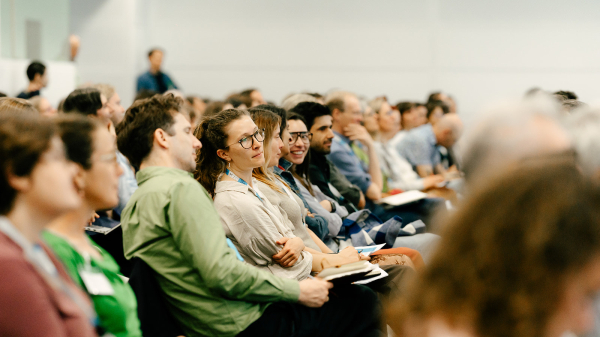
On 28 September, the fourth Citizen Science Networking Day once again brought together a diverse community of citizen science practitioners in Brussels. A total of 193 participants, 48 speakers and 14 sessions contributed to a day filled with inspiration and exchange around topics such as impactful communication, inclusion and diversity, biodiversity, heritage, citizen science in the Global South, and policy impact.
Knowledge sharing extended well beyond the sessions themselves. Through Conversation Starter, participants posted questions, shared expertise and explored collaboration opportunities to stay connected after the event. Curious to explore the presentations? You can find them on the event page. If you attended, we would be grateful for your feedback through the evaluation form. |
|
|
|
|
|
|
|
|
|
|
|
Join the Citizen Science Network Flanders |
|
Citizen science is gaining momentum in Flanders, which is why Scivil has launched the Citizen Science Network Flanders. The network brings together citizens, researchers, policymakers and organisations that want to contribute to a strong, sustainable and impactful citizen science ecosystem. Within the network, several working groups focus on concrete themes such as policy impact, impact for citizens, and citizen science in higher education. Would you like to help shape the future of citizen science in Flanders? Discover the network on the Scivil website and join a working group. Interested? Get in touch via info@scivil.be. |
|
|
|
|
|
|
|
|
|
|
|
Help Scivil improve and win a book |
|
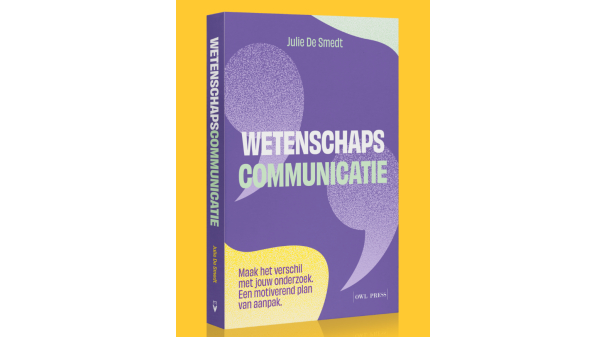
How do you experience Scivil’s communications? With your feedback, we can further improve our website and newsletter to better meet the needs of the citizen science community. Complete our short survey about the Scivil website and/or the Scivil newsletter and enter for a chance to win one of three copies of Wetenschapscommunicatie by Julie De Smedt (the book is only available in Dutch). The survey only takes a few minutes to complete and will help us further improve our services. |
|
|
|
|
|
|
|
|
|
|
|
Discover amai! during Digital Week |
|
|
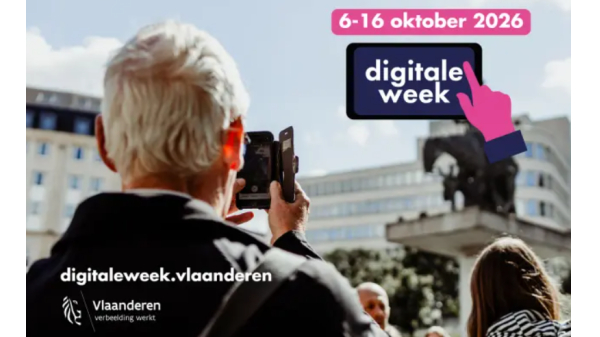
From 6 to 16 October, amai! is taking part in Digital Week. During this campaign promoting digital inclusion and digital skills, citizens can explore seven Flemish AI projects and share their views on the future of artificial intelligence in Flanders.
Interactive digital kiosks in libraries allow visitors to discover the projects and provide direct feedback to the researchers behind them. In addition, amai! is organising workshops where participants can discuss AI and its impact on society with one another. Can't attend Digital Week? No problem. You can also explore the projects online and share your opinion via the amai! website (in Dutch only).
|
|
|
|
|
|
|
|
|
|
|
|
Citizen Science at the FTI Festival |
|
From 20 October to 7 November, visitors to the FTI Festival - Flanders Next can discover how technology, innovation and citizen science come together.
Scivil will showcase a range of citizen science projects at the exhibition, where visitors can find out what type of citizen scientist they are, help identify meteors through Radio Meteor Zoo, contribute to MaarAllee, and share their views on the AI applications of tomorrow through amai!. Through these interactive experiences, visitors can discover how citizens contribute to scientific research and innovation. |
|
|
|
|
|
|
|
|
|
|
|
Looking back on Roots and Recipes |
|
|
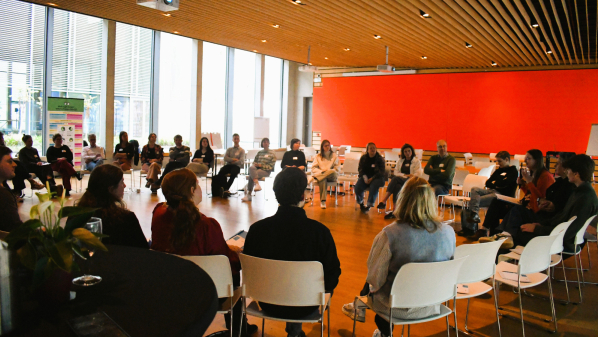
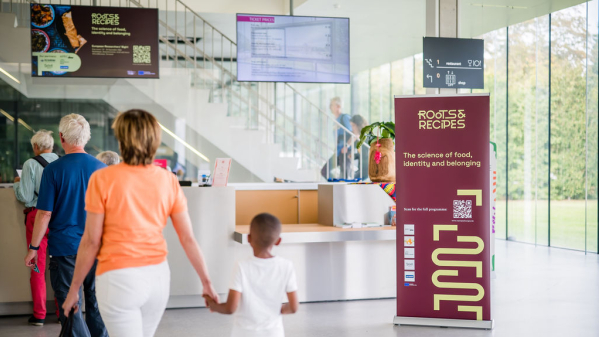
On 25 and 26 September, Scivil took part in the European Researchers’ Night with Roots & Recipes, an initiative by AfricaMuseum, Scivil, Meise Botanic Garden, The FoodBridge and KU Leuven. Through a documentary screening, panel discussion and food fair, visitors explored the connections between science, food and cultural identity. Citizen science also featured prominently throughout the programme. The first edition proved a success, generating greater interest in food research, citizen science and the richness of African food cultures.
|
|
|
|
|
|
|
|
|
|
Belgian Citizen Science News |
|
|
|
|
|
|
|
|
Citizen science in the age of AI |
|
What will become of citizen science as artificial intelligence takes over more and more routine tasks? In a recent article for EOS Wetenschap (in Dutch only), astronomer Stijn Calders argues that citizen science is about much more than collecting data alone. Learning, discovery, participation and a sense of wonder are all valuable outcomes of citizen science. The article offers an insightful reflection on the future collaboration between humans and AI in scientific research. |
|
|
|
|
|
|
|
|
|
|
|
New book on science communication |
|
|
Early October saw the publication of Wetenschapscommunicatie, the new book by Julie De Smedt (in Dutch only). The book offers researchers a practical guide to making informed choices about how, with whom and why they communicate their research. You can order the book via Julie De Smedt’s website or through the publisher. Would you prefer a free copy? You can also take part in the Scivil prize draw for a chance to win one.
|
|
|
|
|
|
|
|
|
|
|
|
Results from De Grote Voedselkaart |
|
|
More than 2,000 citizens contributed to De Grote Voedselkaart, a citizen science project led by Sciensano. The results show that many people in Flanders want to make healthier food choices, but that healthy options are often not sufficiently accessible, attractive or affordable. The insights gathered through the project provide policymakers with concrete evidence to help create healthier food environments.
|
|
|
|
|
|
|
|
|
|
|
|
Do you have a citizen science idea for Nerdland Festival? |
|
|
Preparations for Nerdland Festival 2027 are already well underway. Until 1 November 2026, you can submit ideas for experiences, interactive activities and other public engagement formats focused on science and technology. Are you involved in a citizen science project? This is an excellent opportunity to actively engage festival visitors in your research and showcase citizen science to a broad audience. More information is available on the Nerdland Festival website (in Dutch only).
|
|
|
|
|
|
|
|
|
|
|
|
Citizens and schools wanted for citizen science projects |
|
A number of citizen science projects are currently looking for participants. Please note that the projects mentioned below are available in Dutch only. With MijnTuinlab’s Research in Your Own Garden, you can carry out simple experiments to discover what lives in your garden and how it contributes to biodiversity and climate resilience. Schools can take part in SoilStories, where pupils contribute to research on woodlice and soil life, or join the Weg van ’t School Challenge, which works with pupils, parents and local residents to map road safety around schools. |
|
|
|
|
|
|
|
|
|
International Citizen Science News |
|
|
|
|
|
|
|
|
Flemish researchers receive ERC Public Engagement Awards |
|
The European Research Council has announced the winners of the ERC Public Engagement with Research Awards 2026. Among the eight laureates are two researchers from Flanders: Sarah Lebeer (University of Antwerp), recognised for her participatory projects on microbiomes and health, and Valeria Pulignano (KU Leuven), honoured for her work on platform labour and societal impact.
The awards celebrate researchers who engage the public in meaningful ways throughout their research. |
|
|
|
|
|
|
|
|
|
|
|
Webinar on citizen science and knowledge valorisation |
|
|
How can citizen science contribute to knowledge valorisation and societal impact? During the webinar Tea with ASTP: The Role of Citizen Science in Knowledge Valorisation on 13 October, experts and practitioners will share insights into the role of participatory research in innovation and knowledge exchange.
|
|
|
|
|
|
|
|
|
|
|
|
Webinar on ethics and sustainabillity in citizen science |
|
|
On 28 October and 5 November, RE4GREEN is organising a free webinar series on ethics, sustainability and environmental justice in citizen science. These interactive sessions will provide practical guidance for anyone interested in developing inclusive and socially relevant participatory research projects.
|
|
|
|
|
|
|
|
|
|
"In essence, the app allows us to make visible, in an accessible way, experiences that are almost impossible to capture through traditional research methods such as questionnaires."
- Petrus te Braak, postdoctoral researcher VUB |
|
Every month, Scivil interviews someone about their experiences with citizen science. This month, we spoke with Dr Petrus te Braak, a postdoctoral researcher at Vrije Universiteit Brussel (VUB) and coordinator of the citizen science project Moment, which maps perceptions of safety among residents and commuters in Brussels. |
|
|
|
|
|
|
|
|
|
REPORT: The report Aan de slag met burgerparticipatie (in Dutch only), developed as part of the Knowledge Exchange Programme on Citizen Participation in Cross-Domain Collaborations, provides knowledge, practical examples and guidance for embedding citizen participation in a structural and sustainable way within cross-sector collaborations involving citizens, researchers, policymakers and professionals. REPORT: The OECD report Artificial Intelligence and the Future of Citizen Participation explores the opportunities, risks and applications of artificial intelligence for citizen participation and democratic innovation. ARTICLE: In Embedding Citizen Science in Galleries, Libraries, Archives, and Museums to Address Urban Sustainability Challenges, published in Citizen Science: Theory and Practice, the authors examine how libraries, museums and other cultural institutions can support citizen science in addressing urban sustainability challenges. ARTICLE: The article A Systematic Review of the Deficit Model and Call for Empowerment Toward Informed Publics, published in the Annals of the International Communication Association, offers a critical analysis of the deficit model in science communication and introduces an alternative approach that views citizens as informed and active participants. RESOURCE: The EcoStories Citizen Science Repository, developed within the EcoStories project, brings together learning modules, digital learning materials and practical examples on citizen science, sustainability and inclusive STEM education for secondary schools. |
|
|
|
|
|
|
-
PROJECT: Maarallee is looking for participants from all Flemish provinces to help improve AI-generated transcripts on the Zooniverse platform.
Deadline: 30 October 2026.
-
FUNDING: Biodiversa+ has launched the call Novel Ecosystems: Biodiversity, Socio-Ecological Consequences and Future Trajectories for international research projects on novel ecosystems, biodiversity and socio-ecological transformations. The call offers opportunities for citizen science through the involvement of citizens and other stakeholders in biodiversity monitoring, data collection and the co-creation of inclusive future scenarios for nature restoration and sustainability.
Deadline: 10 November 2026.
-
JOURNAL: BMC Zoology is seeking submissions for the special collection Citizen Science for Zoological Research, focusing on the role of public participation in monitoring, conservation and biodiversity research.
Deadline: 11 November 2026.
-
FUNDING: amai! has launched new funding opportunities for participation in AI research and innovation. Through the amai! Impactbooster, AI researchers and innovators can receive lump-sum funding of up to €30,000.
-
FUNDING: Horizon Europe is looking for cities and partners for Science Comes to Town 2029, a year-long programme of activities aimed at fostering dialogue between science and society.
Deadline: 11 March 2027.
-
FUNDING: Horizon Europe has launched a call for projects that develop innovative approaches to citizen science and science communication, with a focus on youth participation or scaling up public engagement to the ERA level.
Deadline: 11 March 2027.
-
FUNDING: Horizon Europe has launched a call for living labs on invasive alien species, bringing together researchers, public authorities, citizens and other stakeholders to co-create solutions for detection, monitoring, management and policymaking.
Deadline: 22 September 2027.
-
FUNDING: Horizon Europe has launched a call for projects focused on small-scale aquatic food production that develop new methods and digital tools to assess their environmental and socio-economic impact.
Deadline: 23 September 2027.
|
|
|
|
|
|
|
|
|
Amai! during Digital Week |
|
From 6 to 16 October, amai! is taking part in Digital Week. As part of this campaign promoting digital inclusion and digital skills, amai! invites citizens to discover seven AI projects developed in Flanders and contribute to discussions about the future of artificial intelligence. |
|
|
|
|
|
|
|
|
|
|
|
Tea with ASTP: The Role of Citizen Science in Knowledge Valorisation |
|
During a webinar on 13 October, ASTP will explore how citizen science can contribute to knowledge valorisation, from co-creation with citizens to generating societal impact. The webinar will bring together insights and practical experiences for professionals interested in participatory research and impact-driven innovation. |
|
|
|
|
|
|
|
|
|
|
|
Citizen Science at FTI Festival |
|
The FTI Festival - Flanders Next will take place from 20 October to 7 November. Scivil is bringing a range of citizen science activities to the exhibition, allowing visitors to discover how research, innovation and public participation reinforce one another through interactive projects focused on language, artificial intelligence and astronomy. |
|
|
|
|
|
|
|
|
|
|
|
Amai! at Expeditie Next |
|
On 24 and 25 October, you can find amai! at the FTI Expeditie Next Festival in Mechelen’s Nekkerhal. There, amai! will showcase seven Flemish AI applications currently under development and invite visitors to share their views. Take part in one of the workshops or leave your ideas via the interactive digital kiosks at the stand. |
|
|
|
|
|
|
|
|
|
|
|
Citizen Science, Ethics and Sustainability |
|
RE4GREEN is organising a free interactive webinar (90 minutes) for citizen scientists on integrating ethics, sustainability and environmental justice into citizen science and participatory research. The online sessions will take place on 28 October 2026 and 5 November 2026. |
|
|
|
|
|
|
|
|
|
|
|
CARN Conference 2026 |
|
CARN Conference 2026: Towards a just and humane society is an international conference that will take place on 5 to 7 November 2026 in Utrecht, the Netherlands. |
|
|
|
|
|
|
|
|
|
|
|
Citizen Science Impact Evaluation |
|
The Citizen Science Impact Evaluation in Utrecht on 19 November 2026 will bring together researchers, citizen science practitioners and support professionals to explore how impact can be evaluated and strengthened within citizen science. |
|
|
|
|
|
|
|
|
|
|
|
CS-NL Network Day |
|
The 5th CS-NL Network Day van CS-NL will take place on 29 January 2027 in Library Neude (Utrecht, the Netherlands). |
|
|
|
|
|
|
|
|
|
|
|
Citizen Science 4 Health Conference 2027 |
|
The Citizen Science 4 Health Conference 2027 will take place from 19 to 21 April 2027 in Odense, Denmark. |
|
|
|
|
|
|
|
|
|
Would you like to showcase your own citizen science project?
Let us know via info@scivil.be! |
|
|
|
|
|