|
|
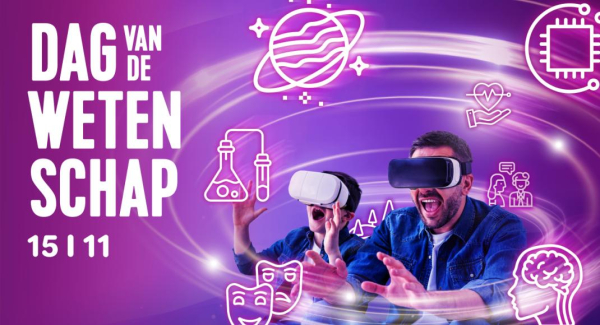
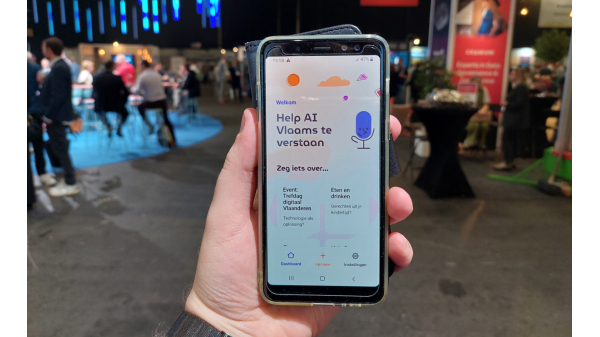
On Sunday 15 November, it’s Day of Sciences, and citizen science will be there too. You can find Scivil in Leuven, Diepenbeek and Brussels, where you can discover first-hand how you can contribute to research: find out what type of citizen scientist you are, help AI understand Flemish better with Maarallee, or share your ideas on the AI applications of tomorrow.
But there’s plenty more to discover. In our interview, Isaak Vandermaesen and Alyssa Lambrecht look back on Maarallee and their efforts to get Flanders talking. Heritage professionals can sign up for our ‘From idea to project plan’ workshop with FARO. And we’d love to hear from you too: you have until 16 November to share your feedback on Scivil’s communications and be in with a chance of winning a book. |
|
|
|
|
|
|
|
|
Find Scivil at Day of Sciences |
|
On Sunday 15 November, it’s time for Day of Sciences again. Citizen science will be there too! In Leuven at imec, at UHasselt’s Diepenbeek Campus and at Muntpunt in Brussels, you can discover how you can contribute to scientific research. Find out what type of citizen scientist you are, help AI better understand Flemish Dutch with Maarallee, or join amai! in thinking about the AI applications of tomorrow. Find all activities on the Scivil website. |
|
|
|
|
|
|
|
|
|
|
|
From heritage idea to citizen science project |
|
|
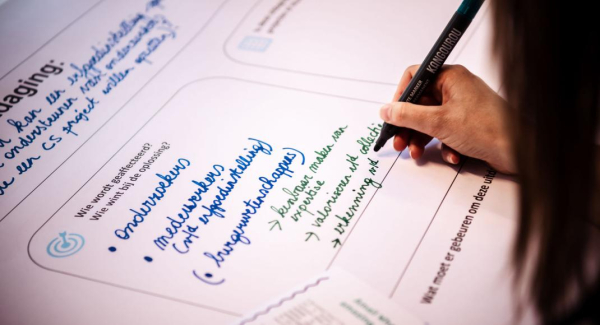
Do you work in heritage and have an idea for citizen science, but are not quite sure how to turn it into a concrete project? On 10 December, Scivil and FARO are organising the workshop From idea to project plan: Getting started with citizen science in heritage (in Dutch only). You will work on your own idea and learn how to refine your research question, choose a suitable method, and develop your approach to participation, target groups and recruitment. Step by step, you will lay the foundations for a feasible citizen science project.
Register for the workshop »
|
|
|
|
|
|
|
|
|
|
|
|
Give us your feedback and win a book |
|
We are taking a closer look at Scivil’s communication, and your opinion matters. What do you think of our website and newsletter? With your feedback, we want to better tailor our communication to the needs of the citizen science community. Haven’t shared your feedback yet? You can still do so until 16 November. You will also have a chance to win one of three copies of Wetenschapscommunicatie by Julie De Smedt. |
|
|
|
|
|
|
|
|
|
|
|
Looking Back at the Digital Week and the FTI Festival |
|
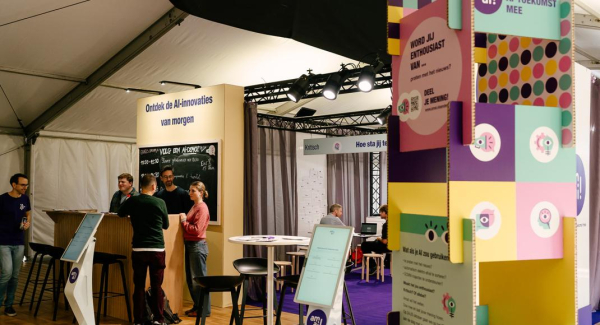
Over the past few weeks, Scivil and amai! have brought citizen science to a wide audience. During Digital Week, from 6 to 16 October, citizens had the opportunity to discover seven Flemish AI projects and reflect on the future of AI. From 20 October to 7 November, citizen science also took centre stage at FTI Festival, featuring Maarallee, Radio Meteor Zoo, amai! and the quiz ‘What type of citizen scientist are you?’. Visitors could experience first-hand how they can contribute to research and innovation. We published a recap on our website. |
|
|
|
|
|
|
|
|
|
Belgian Citizen Science News |
|
|
|
|
|
|
|
|
WOW-BE expands to the Netherlands |
|
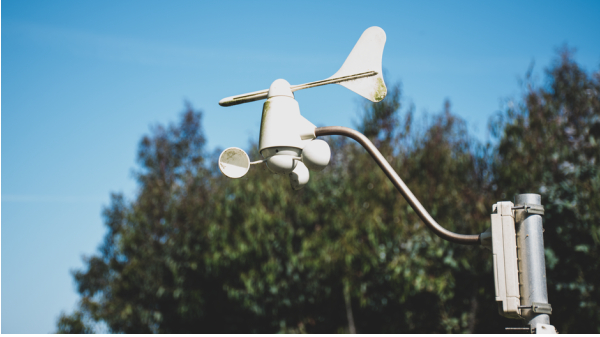
The updated WOW-BE now brings together weather observations from Belgium and the Netherlands on a single platform. Citizens, schools and organisations can share measurements from their own weather stations, helping to map local weather phenomena more accurately. The RMI developed the new platform, which now also hosts WOW-NL from the KNMI. |
|
|
|
|
|
|
|
|
|
|
|
Ontdek de resultaten van Straatvinken |
|
|
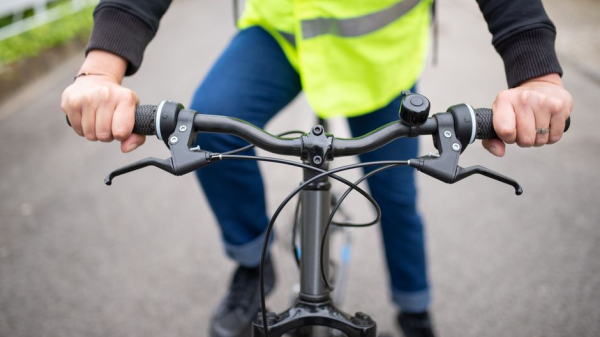
Around 3,500 participants mapped traffic in their street this year as part of Straatvinken. On 19 November at 8 pm, researchers from the University of Antwerp and HIVA-KU Leuven will share the results of Straatvinken and straat-O-sfeer during a free webinar (in Dutch only). Find out what trends are emerging in mobility and liveability and what has changed over the years.
|
|
|
|
|
|
|
|
|
|
|
|
BELSPO launches citizen science newsletter |
|
Want to stay up to date with citizen science across the Federal Scientific Institutions? BELSPO now has a Citizen Science newsletter, featuring news about initiatives, events and other developments in citizen science. The newsletter is published four times a year. |
|
|
|
|
|
|
|
|
|
|
|
Help Artemis-UA georeference historical maps |
|
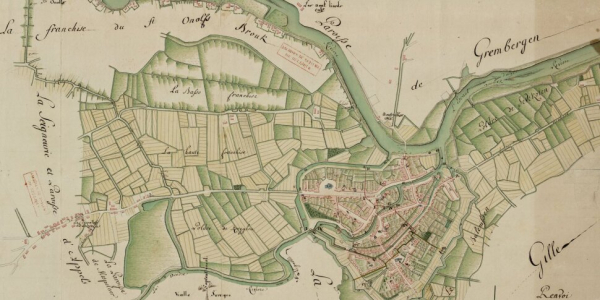
The Artemis-UA project at the University of Antwerp has launched and is looking for volunteers and citizen scientists to help georeference historical maps. Interested in old maps, landscapes or the history of Lokeren, Dendermonde or Antwerp? You can help link points on historical maps to their locations on a modern map. Find out how to get involved on the project website. |
|
|
|
|
|
|
|
|
|
|
|
Three citizen science projects win awards |
|
At the 2026 Science Communication Awards, three citizen science projects are among this year’s winners: OUTLAW, Klimaattuiniers and De Oorzaak. On 16 November, they will be honoured alongside the other award winners at the awards ceremony in Brussels. |
|
|
|
|
|
|
|
|
|
|
|
Discover the Impact Roadshow |
|
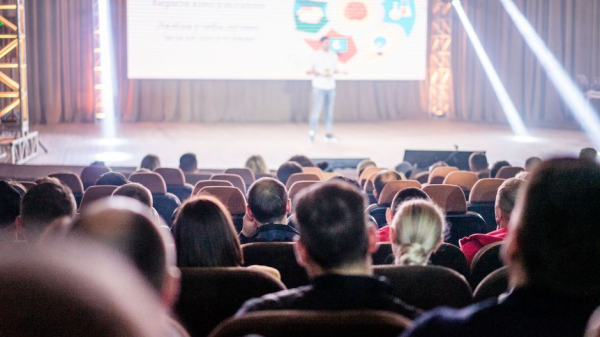
Through the Impact Roadshow, Flanders Convention Bureau shows how international conferences can not only bring knowledge and people together, but also create a lasting impact on society. During free inspiration and networking evenings, you can discover practical examples and meet potential partners. You do not need a specific conference idea to take part. |
|
|
|
|
|
|
|
|
|
International Citizen Science News |
|
|
|
|
|
|
|
|
Volunteers wanted for global climate programme |
|
The Citizen Science Global Partnership is developing a global programme on citizen science and climate change mitigation. The initiative aims to actively involve citizens in climate action and is looking for people to help develop the programme, including in the areas of funding, communication and data. Find out how you can contribute on the Citizen Science Global Partnership website. |
|
|
|
|
|
|
|
|
|
|
|
Submit your contribution to CS4Water 2027 |
|
From 29 June to 1 July 2027, the international CS4Water Conference 2027 will take place in Cape Town. The conference brings together researchers, professionals, policymakers, educators and communities around citizen science and water. Contributions to the conference can be submitted until 14 December 2026 via the CS4Water website. |
|
|
|
|
|
|
|
|
|
|
|
New ECSA working group on citizen science and libraries |
|
The European Citizen Science Association (ECSA) has launched a new working group on citizen science and public libraries. The group brings together libraries and library networks with researchers and citizen science professionals to strengthen the role of libraries in citizen science, from engaging citizens to data management and sharing research results. Find out more about the plans and how to get involved on the ECSA website. |
|
|
|
|
|
|
|
|
|
"Can we collect enough Flemish speech to train an AI dataset based on the goodwill of citizens? And, above all, how do you go about it?"
- Isaak Vandermaesen, AI & Education Project Coordinator at Scivil |
|
Scivil interviews someone each month about their experiences with citizen science. This month, we spoke to Isaak Vandermaesen and Alyssa Lambrecht, who tell us about Maarallee, the citizen science project through which Scivil collects speech data to help AI better understand Flemish Dutch. |
|
|
|
|
|
|
|
|
|
RESOURCE: Zooniverse has launched a new AI Ethics Framework with principles and practical recommendations for the responsible use of AI and machine learning in citizen science. The framework emphasises transparency, participant choice and clear agreements between project teams and volunteers. GUIDE: The new Startgids Wetenschapscommunicatie voor onderzoekers by NEWS and The Online Scientist helps researchers get started with practical tips, theory and tools for science communication, from defining objectives and target audiences to developing messages and choosing communication channels. PUBLICATION: A new special issue of TSG brings together 13 open-access articles on citizen science and health. The contributions highlight different ways in which citizens can contribute to research on health and healthcare. REPORT: Kansen creëren & patronen doorbreken brings together stories about socio-economic inequality with insights from research, policy and practice. People with lived experience took part as co-researchers and contributed to the recommendations based on their own experiences. ARTICLE: The article Building Bridges Through Infrastructure: Citizen Science and Institutional Integration in Air Quality Monitoring, published in Citizen Science: Theory and Practice, explores how citizen science data on air quality can be better integrated with official monitoring systems and the role that technical, organisational and social infrastructure plays in this process. |
|
|
|
|
|
|
-
FUNDING: New European Bauhaus has launched a call for projects exploring how residents experience their neighbourhoods and how this relates to health and well-being. Citizen science offers opportunities to actively involve residents in research into their living environment.
Deadline: 1 December 2026.
FUNDING: New European Bauhaus has launched a call for projects developing participatory methods for designing and transforming neighbourhoods. Co-creation with residents is central, including around climate, biodiversity, safety and well-being.
Deadline: 1 December 2026. FUNDING: Horizon Europe is looking for cities and partners for the Science Comes to Town 2029 programme, a year full of activities bringing science and society together in dialogue.
Deadline: 11 March 2027. FUNDING: Horizon Europe has launched a call for projects developing innovative forms of citizen science and science communication, with a focus on youth participation or scaling up public engagement to ERA level.
Deadline: 11 March 2027. FUNDING: MSCA and Citizens 2027 has launched a call for projects that bring research and researchers closer to the general public through European Researchers’ Night and Researchers at Schools in 2028 and 2029.
Deadline: 8 June 2027. -
FUNDING: Horizon Europe has launched a call for living labs on invasive alien species, in which researchers, public authorities, citizens and other stakeholders co-create solutions for detection, monitoring, control and policy.
Deadline: 22 September 2027.
FUNDING: Horizon Europe has launched a call on the societal impact of cultural heritage, with a focus on social cohesion, citizen participation, inclusion and participatory research methods.
Deadline: 23 September 2027. FUNDING: Horizon Europe has launched a call on sustainable small-scale aquatic food production and recreational fishing. Citizen science, local knowledge and participatory data collection can be used to measure ecological and socio-economic impacts.
Deadline: 23 September 2027. SURVEY: A PhD study on ‘hydrocitizenship’ and water quality is looking for citizen scientists with experience in monitoring rivers and small watercourses. The survey explores, among other things, how participation in citizen science relates to environmental knowledge, care for the environment and trust in water management. It takes approximately 15 to 20 minutes to complete. |
|
|
|
|
|
|
|
|
Day of Sciences |
|
On 15 November 2026, Day of Sciences returns. Scivil will be taking part in Leuven, Diepenbeek and Brussels, where you can discover how you too can contribute to scientific research. |
|
|
|
|
|
|
|
|
|
|
|
Citizen Science Impact Evaluation |
|
On 19 November 2026, the Citizen Science Impact Evaluation will take place in Utrecht. The event brings together researchers, citizen science practitioners and support professionals to discuss impact evaluation in citizen science. |
|
|
|
|
|
|
|
|
|
|
|
Final conference: The ScienceUs-CROPS Journey in Citizen Science Upscaling |
|
The ScienceUs-CROPS Final Conference, “From Local Action to European Impact: The ScienceUs-CROPS Journey in Citizen Science Upscaling”, will take place on 25 November 2026 in Athens, Greece. |
|
|
|
|
|
|
|
|
|
|
|
From idea to project plan: Getting started with citizen science in heritage |
|
On 10 December 2026, the workshop ‘From idea to project plan: Getting started with citizen science in heritage’ will take place. FARO and Scivil will guide you through a hands-on workshop in which initial citizen science ideas are developed into clear and feasible projects. |
|
|
|
|
|
|
|
|
|
|
|
CS-NL Network Day |
|
The 5th CS-NL Network Day will take place on 29 January 2027 at Bibliotheek Neude in Utrecht, the Netherlands. This anniversary edition of Citizen Science Netherlands’ annual network day brings together citizen science practice, research and policy for a day of networking, interactive workshops and knowledge exchange. |
|
|
|
|
|
|
|
|
|
|
|
Citizen Science 4 Health Conference 2027 |
|
The Citizen Science 4 Health Conference 2027 will take place from 19 to 21 April 2027 in Odense, Denmark. |
|
|
|
|
|
|
|
|
|
|
|
CS4Water Conference 2027 |
|
CS4Water Conference 2027 is an international conference on citizen science and water, taking place from 29 June to 1 July 2027 at the Emeris Newlands Campus in Cape Town, South Africa. |
|
|
|
|
|
|
|
|
|
Would you like to showcase your own citizen science project?
Let us know via info@scivil.be! |
|
|
|
|
|