|
|
STRENGTHENING EUROPE’S RESPONSE TO FGM IN 2026 |
|
|
|
|
|
|
Dear members, ambassadors, partners and friends,
As we step into 2026, we would like to begin by extending our warmest wishes for the year ahead. May this year bring you strength, resilience and renewed energy for the critical work we share. We would also like to express our deepest gratitude for everything we've accomplished in 2025.
As we look back on 2025, the year has been marked by both important progress and growing challenges in the fight to end FGM. While awareness, policy engagement and survivor-centred approaches continued to advance, we also witnessed a worrying rise in anti-rights movements across Europe and beyond, increasingly targeting gender equality, bodily autonomy and the rights of women and girls. We know that many of you are facing extremely challenging financial situations due to severe budget cuts affecting feminist and human rights organisations across Europe. Looking ahead to 2026, this reality demands renewed vigilance.
Conflicts, political instability and humanitarian crises risk pushing the fight against FGM further down the agenda, while practices such as medicalisation continue to threaten hard-won progress. At the same time, backlash against human rights actors is becoming louder and more organised. Budget cuts are compounding this crisis, forcing many of our members to make impossible choices between programmes, staff and support for survivors. In response, we are working on all fronts to identify and advance sustainable, long-term solutions. We will continue to advocate strongly and collectively for the restoration and increase of funding dedicated to ending FGM and supporting gender equality work.
Yet we face this moment together, and our collective strength remains our most powerful asset. In this environment, our shared priority remains clear: we must not lose ground. Ensuring that prevention, protection and survivor support remain visible and funded will be essential in the year ahead, while continuing to ensure that our fight is not being instrumentalised or diluted.
As we approach 6 February, the International Day of Zero Tolerance for FGM, one of the first key milestones of the year for our movement, this is a key moment to reaffirm our collective voice and visibility. It is an opportunity to reclaim the narrative, centre survivors’ voices and demonstrate the strength of our shared action. On 5 February, we will launch our 2026 campaign in Brussels (+ streamed online), and we count on every one of you to amplify this message across your networks, institutions and communities. Together, we can ensure our message is heard clearly and widely. We are counting on you to echo our message.
With gratitude and determination,
The End FGM European Network |
|
|
|
|
|
|
|
|
05/02/2026: LAUNCH OF OUR 2026 CAMPAIGN
On 5 February 2026, we will launch our 2026 campaign at the European Parliament in Brussels, ahead of the International Day of Zero Tolerance for Female Genital Mutilation. Care in Action to End FGM sets the tone for a campaign focused on turning commitments into concrete change.
The event will be co hosted by Melissa Camara and Cecilia Strada, highlighting the European Parliament’s role in advancing gender equality. It is also supported by Lina Galvez and Estrella Galan, reflecting strong cross party and cross country commitment to ending FGM.
The launch event will also be streamed online, allowing participants across Europe and beyond to join the discussion and engage with the campaign. |
|
|
|
|
|
|
|
|
|
|
|
URGENT CALL FOR EU ACTION TO PROTECT WOMEN AND GIRLS IN SUDAN
In November, the End FGM European Network and members of the Sudanese diaspora called on the European Union to strengthen its action in Sudan and protect women and girls affected by female genital mutilation. With ongoing conflict, displacement, collapsed health services and widespread sexual and gender based violence, women and girls in a country with one of the highest FGM prevalence rates face increased risk. The letter urges immediate European Union action to end hostilities and ensure protection and support.
|
|
|
|
|
|
|
|
|
|
|
|
END FGM EUROPEAN NETWORK’S RESPONSE TO
THE EUROPEAN PARLIAMENT’S RESOLUTION ON SUDAN
The same month, the European Parliament adopted an urgent resolution in Plenary addressing the deterioration of the humanitarian crisis in Sudan, the widespread use of sexual and gender-based violence and calling for immediate and urgent action to put an end to the hostilities. While we welcome this initiative we remain concerned by the absence of mention of female genital mutilation despite more than 86% of women in Sudan being affected by it.
|
|
|
|
|
|
|
|
|
|
|
|
AGORAEU AND THE NEW MULTIANNUAL FINANCIAL FRAMEWORK:
JOINT CIVIL SOCIETY RECOMMENDATIONS
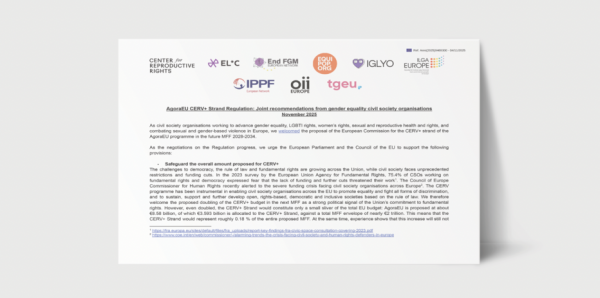
Mid-July, the European Commission presented its proposal for the Union’s next pluriannual budget with the creation of a newly framed programme called AgoraEU to support the work of civil society organisations including those working on women’s rights and gender-based violence. Together with partners from other civil society organisations we reacted in a joint paper to urge the European Parliament and the Council of the European Union to support our 7 key recommendations to ensure the next EU budget aligns with our priorities. |
|
|
|
|
|
|
|
|
|
|
|
EMPOWERING COMMUNITIES ACROSS EUROPE THROUGH THE SAFE PROJECT
As part of the EU co-funded SAFE (Support Aid FGM EFM) project, on November 19 during our Membership forum we hosted an online EU Network Meeting to strengthen collaboration of our network, officially present the SAFE project and capitalise on the early achievements of the Programme.
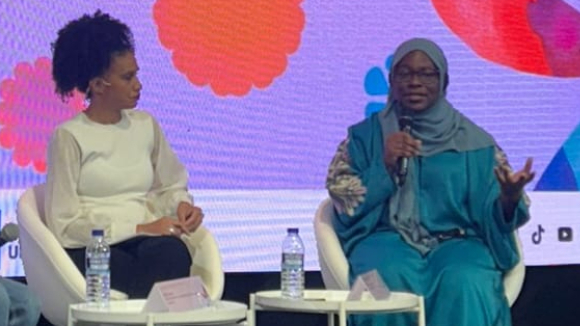
The presentation included an inspiring fireside chat with Fatia Noor, a Community Expert collaborating in SAFE with our partner TERRE DES FEMMES. She shared insights from her community work in Germany and emphasised the importance of dialogue, empowerment, and survivor-centred approaches. SAFE focuses on preventing and eliminating female genital mutilation (FGM) and early and forced marriage (EFM) in affected communities across the six EU member states of the project. It takes a community-based, gender-sensitive approach by empowering communities, training key professionals, raising awareness, and building capacity to tackle these harmful practices.
Stay engaged and follow the SAFE project on LinkedIn and Instagram. |
|
|
|
|
|
|
|
|
|
|
|
LOOKING BACK AT EWAG 2025
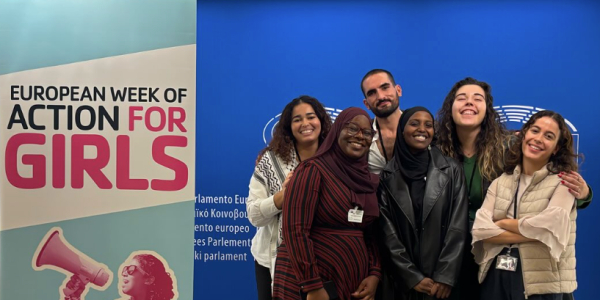
From the 13th of October to 16th of October, on the occasion of the International Day of the Girl Child, we co-organised our traditional European Week of Action for Girls (EWAG). This year our two Youth Ambassadors Fatima Rafael and Samsam Hassan joined us in Brussels for a week of events around the theme of #InvestInGirls.
Our youth ambassadors and other youth advocates from across the world had the opportunity to build their advocacy power, connect with European decision makers and share their message: it is time to invest in girls!
|
|
|
|
|
|
|
|
|
|
|
|
GENERAL WORK OF THE POLICY AND ADVOCACY TEAM
At the end of the year, we submitted our contribution to different open consultation including the one on the new civil society strategy. While we are glad to see the adoption of the Union’s first ever civil society strategy at a time of increasing backlash, we are worried by the absence of gender-sensitive measures and the absence of specific measures for actors working on sexual and reproductive health and rights and gender equality (for more information read the reaction of our partners).
We also have been working on the implementation of the Istanbul convention and the Directive on combatting violence against women and domestic violence in partnership with EU institutions and Member States. In particular we have worked on End FGM EU’s shadow report on the implementation of the Istanbul Convention by the Union following up on the process started by GREVIO.
|
|
|
|
|
|
|
|
|
|
DONOR WORKING GROUP MEETING IN PRETORIA, SOUTH AFRICA
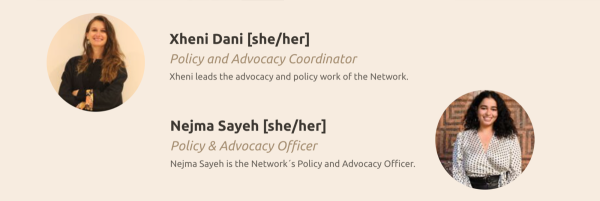
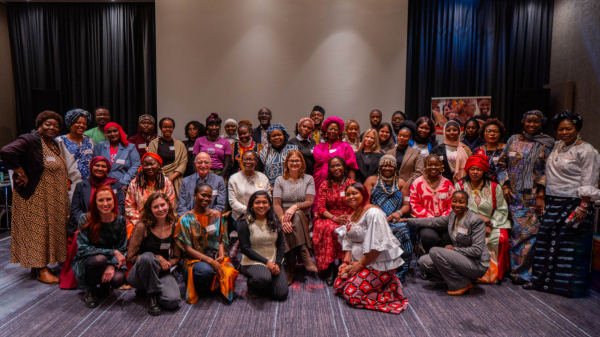
End FGM EU – represented by Co-President Aminata Sidibe and the Secretariat Policy and Advocacy lead Xheni Dani – took part in a 3 days event in Pretoria, South Africa on the occasion of the Annual Meeting of the Donors Working Group to end female genital mutilation. The first two days were an opportunity for civil society focusing ending FGM in Africa to exchange experiences and good practices and build joint recommendations for Donors.
The third day, civil society was invited to discuss directly with Donors and reflect on priorities for the future, focusing on supporting the End FGM/C Africa Network.
|
|
|
|
|
|
|
|
|
|
|
|
SOPHIA COLLOQUIUM: TALKING ABOUT FGM IN BELIGUM WITHOUT RACISM |
|
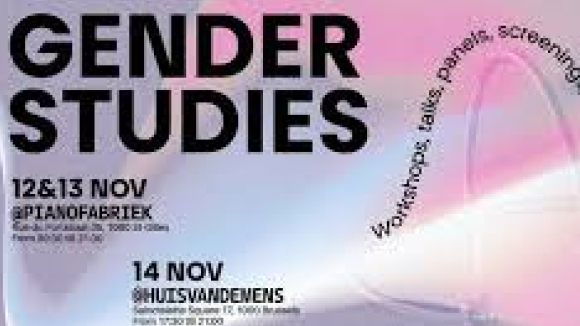
On November 12th, Sophia, the Belgian network for gender studies, organised a colloquium in Saint Gilles. One of the workshops was moderated by our director, Marianne Nguena Kana: “How to approach the subject of FGM in Belgium from an anti racist and decolonial perspective.” |
|
|
|
|
|
|
WHS25: MEDICALISATION OF FGM RECOGNISED AS A GLOBAL HEALTH EMERGENCY |
|
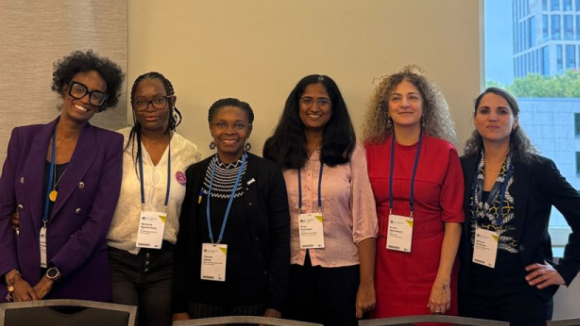
At the 2025 World Health Summit (WHS) in Berlin, the End FGM European Network joined global partners to host a powerful roundtable on the 14th of October titled “Addressing Female Genital Mutilation / Cutting and its Medicalisation as a Global Health Emergency.”
|
|
|
|
|
|
|
|
|
|
|
|
FGM IN MIGRATION AND ASYLUM
We have been continuing our advocacy work to ensure that migrants, asylum seekers and undocumented people affected by female genital mutilation have their fundamental rights upheld and efficiently protected. We keep advocating for specialised trainings of key professionals in the migration and asylum sector, including through the promotion of our e-learning tool End FGM E-Campus.
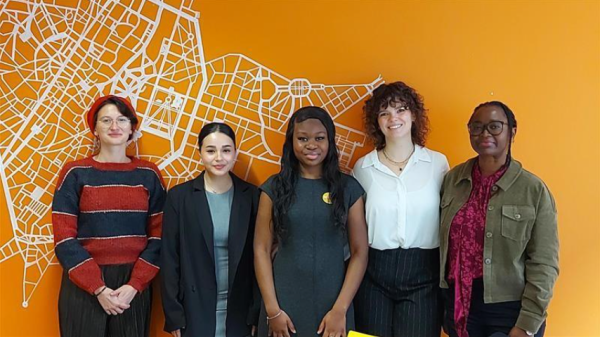
Research: three VUB students Emma Kamara, Hosna MirRahman, Palina Radzisheuskaya (on the image above), supervised by professor Catherine Woollard recently concluded a study investigating how the Pact on Migration and Asylum – with a focus on the Reception Conditions Directive, the Qualification and the Screening Regulations, could impact the fundamental rights of asylum seekers affected by FGM.
As part of the Consultative Forum and the Vulnerability Advisory Group of the EUAA, we also engage with EU agencies to monitor the protection of human rights in asylum.
|
|
|
|
|
|
|
|
HELP US END FGM - DONATE TODAY |
|
Your support is crucial in help us ending Female Genital Mutilation in Europe and beyond. Every donation, big or small, enables us to drive policy and advocacy efforts, support survivors, and empower member organisations to collaborate in eliminating FGM. Together, we can create a world free from FGM. Donate now and make a lasting impact. |
|
|
|
|
|
|
|
|
|
|
|
DISCOVER “SU VOZ” SIX EPISODES, SIX POWERFUL JOURNEYS
Hosted by Asha and Hayat, a mother-and-daughter duo whose personal stories and commitment to justice guide every conversation, Su Voz is a new podcast series by Save a Girl Save a Generation. The series honours women’s experiences and opens honest, respectful dialogues about female genital mutilation, forced marriage, and other forms of violence. |
|
|
|
|
|
|
|
|
|
|
|
ROME UNITES TO STRENGTHEN THE FIGHT AGAINST FGM
On November 8th, Rome hosted “Voci in rete per un futuro senza mutilazioni genitali femminili” (Voices in Network for a Future Without Female Genital Mutilation), an event that brought together institutions, health professionals, civil society organisations, and community representatives to strengthen Italy’s collective response to FGM.
The meeting highlighted the latest global data, shared powerful testimonies, and showcased cultural and artistic contributions, all aimed at advancing prevention and envisioning a future free from this harmful practice. The event was organised by the Local Network to Prevent FGM in Rome, of which ActionAid Italy is an active member and signatory of a formal Protocol that engages institutions and the Municipality of Rome as leading actors. Through this partnership, the network promotes training sessions and awareness-raising initiatives to address and prevent FGM. A key moment of the event was a panel on community activism, featuring SAFE Community Leader Edna Moallin Abdirahman and Community Expert Haby Bah. They discussed the importance of intergenerational dialogue, the role of coordinated interventions in connecting stakeholders, and the power of community-led activism to drive sustainable and lasting change. |
|
|
|
|
|
|
|
|
|
|
|
SWITZERLAND STRENGTHENS PREVENTION TOOLS TO PROTECT GIRLS FROM FGM
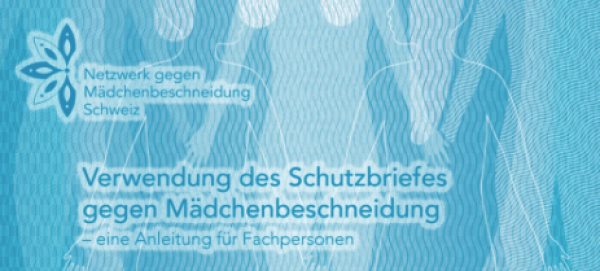
The Federal Office of Public Health of Switzerland, with the participation of the Network Against Female Genital Cutting Switzerland, published a protection letter against female genital mutilation. This prevention tool is designed to protect girls from female genital cutting, especially when they are on holiday in their home country or in a third country. In response to repeated requests from experts for more information on how to use it, the Swiss Network Against Female Genital Mutilation recently produced a manual addressing this need. The manual is available in German, French and Italian. |
|
|
|
|
|
|
|
|
|
|
|
LESSAN E.V. INTERNATIONAL CONFERENCE ON TRANSCULTURAL MENTAL HEALTH AND EMPOWERMENT
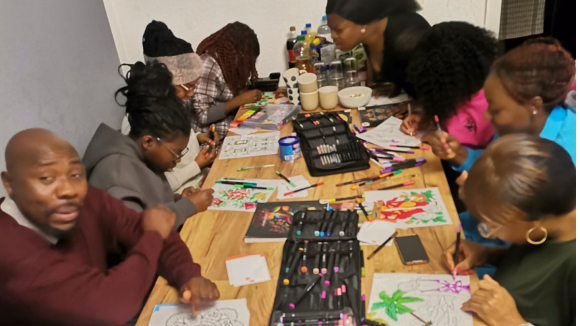
On 25 November 2025, the International Day for the Elimination of Violence against Women, communities, experts, and partners gathered in Hamburg for the international conference of the project “Promoting Mental Health: Nationwide Transcultural Empowerment of Youth and Young Adults in Communities.”
The event highlighted solidarity, exchange, and empowerment, with a strong focus on young women and girls affected by FGM C. The project, funded by the Federal Ministry for Education, Family Affairs, Senior Citizens, Women and Youth and led by LESSAN e.V., runs from July to December 2025 and offers creative workshops such as mindfulness, music, art, poetry slam, dance, and crochet to support healing and resilience. |
|
|
|
|
|
|
|
|
|
|
|
AIDOS ADVANCING DIALOGUE AND EDUCATION ON FGM
On December 12, Aidos participated as a panellist in the event “Focus on Female Genital Mutilations” in Pisa, organised by the University of Pisa and the Tuscany Regional Centre for MGF. The event brought together professionals and institutions to discuss FGM from a multidisciplinary perspective and strengthen prevention and care strategies.
On November 11, 2025, Aidos gave a lecture on FGM to Cultural Anthropology students at Sapienza Università di Roma, addressing the issue through an anthropological lens and encouraging critical reflection on stereotypes, human rights, and cultural complexity. |
|
|
|
|
|
|
|
|
|
|
|
AKIDWA ADVANCING THE RIGHTS AND SAFETY OF WOMEN AND GIRLS AFFECTED BY FGM IN IRELAND
AkiDwA marked a year of strong progress in advancing the health, rights, and safety of women and girls affected by FGM in Ireland. In 2025, the organisation received the Community Award and was named National Lottery Good Cause of the Year, recognising its national impact and support for migrant women.
Following the launch of SAFE project (Support and Aid for Female Genital Mutilation and Early Forced Marriage), AkiDwA recruited six Community Experts and two Community Leaders from practising countries to strengthen culturally informed, community led engagement nationwide. AkiDwA also established a structured referral pathway with Children’s Hospital Ireland Laurels Clinic, improving coordinated support and safeguarding for children affected by non acute FGM.
In parallel, the organisation continues to lead the National Steering Committee, alongside the National Women’s Council and partners, advocating for Ireland’s first national action plan on FGM and its inclusion across all DSGBV strategies. |
|
|
|
|
|
|
|
|
|
|
|
CELEBRATING VALERIE LOLOMARI’S MBE RECOGNITION
We extend our warmest congratulations to Valerie Lolomari on being awarded an Member of the Order of the British Empire (MBE) for her outstanding work supporting survivors of female genital mutilation and advocating for the prevention of violence against women and girls.
Valerie is the founder of Women of Grace, a survivor-led organisation that provides trauma-informed support, education, and advocacy for women affected by FGM. We are proud to count Women of Grace as one of our members and to celebrate this recognition of her courage, resilience, and leadership in the fight to end harmful practices and empower survivors. |
|
|
|
|
|
|
|
|
|
|
|
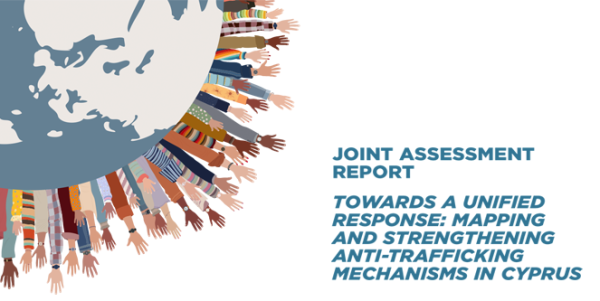
NEW REPORT: TOWARDS A UNIFIED RESPONSE MAPPING AND STRENGTHENING ANTI TRAFFICKING MECHANISMS IN CYPRUS
A new joint assessment by the Mediterranean Institute of Gender Studies and Prologue Consulting presents the first island wide mapping of anti trafficking mechanisms in Cyprus using the 3P framework (prevention, protection and prosecution). The report highlights gaps in victim identification support services and coordination and calls for gender sensitive trauma informed and victim centred approaches. The findings offer important insights for strengthening responses to all forms of gender based violence including FGM. |
|
|
|
|
|
|
|
|
|
|
|
POEM: "I WAS THE CHILD" |
|
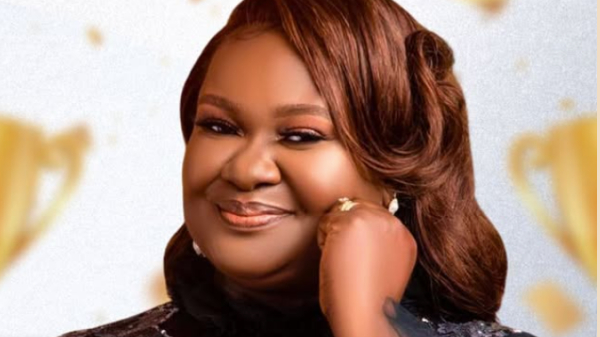
Deborah Odeworitse Blankson is a lawyer and trauma studies expert dedicated to creating inclusive, trauma-informed community spaces. As an advocate and End FGM European Network Ambassador, she uses her voice and art to inspire healing and empower survivors. This poem reflects her journey of reclaiming self-love and freedom after the harm of female genital mutilation. |
|
|
|
|
|
|
EXPLORING THE LINKS BETWEEN FGCS AND FGM |
|
Saarah Ray was invited to speak at UNAF’s XIV International Conference on Female Genital Mutilation on 18 and 19 November 2025. At the conference, she presented her doctoral research on the criminalisation of female genital cosmetic surgery, exploring conceptual analogies between FGCS and FGM and framing both practices as forms of patriarchal violence. |
|
|
|
|
|
|
|
|
|
|
|
CREATING BELONGING AND CHAMPIONING INCLUSION |
|
Bassmala Morkaz is a Widening Participation Intern at the University of the West of England, Bristol, where she works to promote inclusion and a sense of belonging for students from underrepresented backgrounds. Through social events, community activities, and safe spaces for feedback, she supports connection, advocacy, and positive change within the university community. |
|
|
|
|
|
|
YOUTH VOICES DRIVING CHANGE TO END FGM |
|
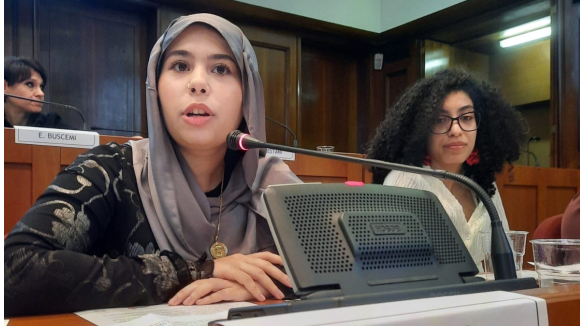
Esraa Newir spoke as a youth representative on 23 October at the event “FGM: New Estimates and New Generations” in Milan. As a Youth Leader for Amref, she shared the voices of young people with a migrant background and highlighted the power of dialogue, safe spaces, and youth led action in strengthening prevention and support to end FGM in Italy and beyond. |
|
|
|
|
|
|
|
|
|
|
|
CREATING BELONGING AND CHAMPIONING INCLUSION |
|
Alimat Babatunde drew attention to growing concerns in Ireland around access to FGM care. An investigation by The Journal found that demand for FGM treatment has risen by 330%, leading to waiting times of over 12 months at the country’s only specialist clinic. In response, the Irish Family Planning Association has called for a national network of state funded FGM clinics to better support women and girls, particularly asylum seekers and migrant survivors. |
|
|
|
|
|
|
|
EMPOWERING GIRLS,
HEALING MINDS
|
|
Franz Evariste wanted to highlight a project launched in Berlin in September 2025 that supports the mental health of girls affected by or at risk of FGM. The project offers a safe space to share, connect, and heal through creative activities such as art, dance, Djembe, crocheting, and yoga. With the support of LESSAN e. V. Hamburg and Mama Afrika e. V. Berlin, it empowers girls, builds resilience, and strengthens community. |
|
|
|
|
|
|
|
|
|
|
|
"WOMEN WHO TRANSFORM" |
|
On 18 and 19 November 2025, Fatima Rafael participated in the XIV International Conference on Female Genital Mutilation organised by UNAF in Madrid. She spoke on the panel “Women Who Transform” alongside activist Asha Ismail, sharing insights from her work in activism, youth engagement, and prevention across Europe as a young ambassador of the End FGM European Network. The conference offered an important space for dialogue, collaboration, and collective commitment to ending FGM. |
|
|
|
|
|
|
|
BUILDING TRUST THROUGH DIALOGUE AND EDUCATION
|
|
Last October, Istahil Abdulahi was invited by Migration Inc. to lead information sessions on sexuality and taboos with underage asylum seeking girls of Somali descent. The girls initially felt shy and uncomfortable discussing these topics. By adapting the level of information and sharing personal experiences, she gradually built trust and created a safe space. Over several sessions, the girls became more confident, opening up and sharing their experiences in their own language. |
|
|
|
|
|
|
|
|